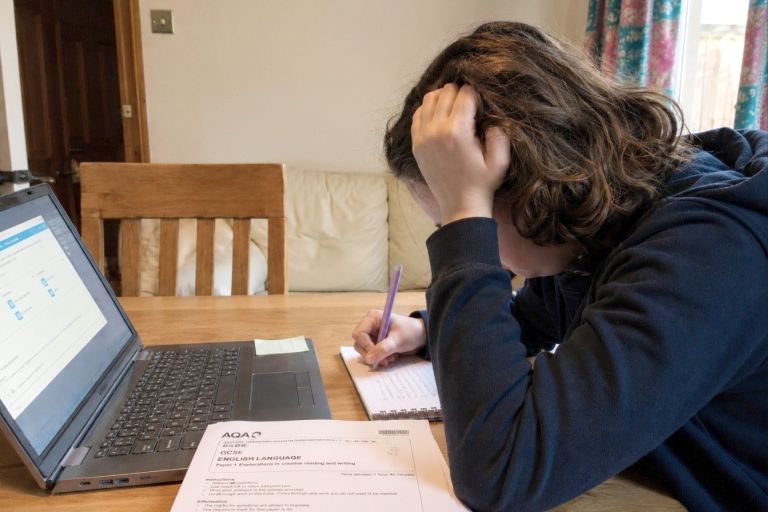
Learning, not attendance figures, should come first – and no child should be punished for health-related absence.
Our work with the DfE
Working with the Department for Education on support for Clinically Vulnerable pupils
We’re working directly with the Department for Education on its guidance for supporting children and young people with medical conditions. We’ve met officials, shared families’ evidence, suggested wording on Clinically Vulnerable children – including those who choose to wear a mask to protect their own health or someone at home – and offered input from independent scientists we work with. This builds on our response to the Department’s consultation.
The Department is still revising the guidance and there is no date yet for the final version, so its wording isn’t confirmed. We’ll share news as soon as we have it. In the meantime, our page on supporting pupils who wear a mask has practical help for talking to your child’s school.
The DfE is starting to address attendance awards – and we welcome it
This follows our work with the Department for Education, and that of other organisations, showing how 100% attendance certificates, prize draws and awards penalise children whose health means they can never have perfect attendance.
No child should ever be punished for health-related absence when they have legitimate health reasons. Attendance shouldn’t be the top priority for schools – education and learning should be.
What families told us
Clinically Vulnerable children were left behind
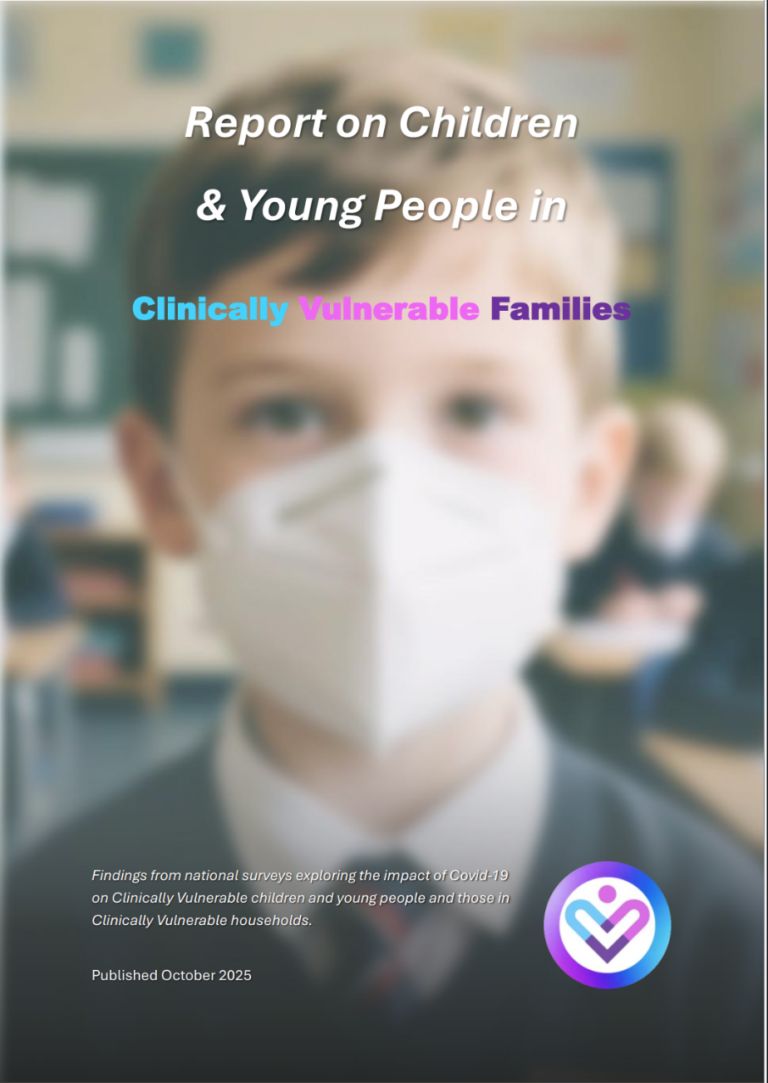
Our research, drawn from family testimony and survey data, found how hard school attendance expectations fell on Clinically Vulnerable children and their families.
80%
of Clinically Vulnerable children were persistently absent from school in 2021–22.
42%
of our families were pressured to deregister their children – unlawfully.
See for yourself
How quickly a child becomes “persistently absent”
A school year is 190 days. Move the slider to see what different amounts of time off look like – for a child who needs hospital appointments, recovers slowly from infections, or stays home to protect a vulnerable parent.
94.7% attendance
Not counted as persistently absent
Missing 10% or more – about 19 days, or one day a fortnight – counts as “persistently absent”.
What we’re asking for
Attendance policy that works for every child
No penalties for health
No fines, awards lost or pressure to deregister when a child is absent for legitimate health reasons.
Education before targets
Teaching and learning should be the priority – not attendance figures.
Remote and flexible options
Lessons at home or a flexible timetable when a child can’t safely be in school.
Safer classrooms
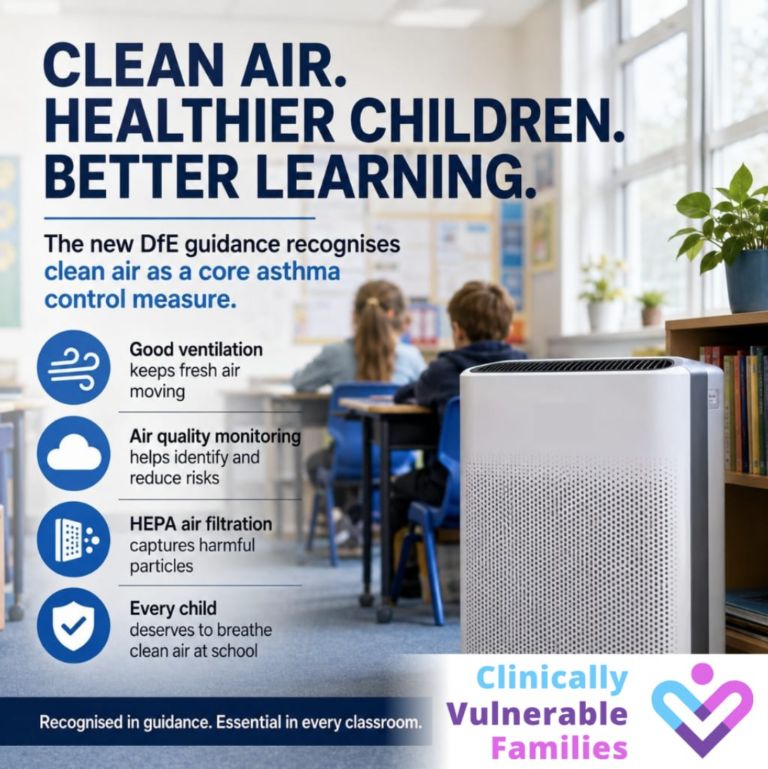
Clean indoor air in schools, so more children can attend safely. Our clean air work
Share your family’s experience
We’re gathering experiences from parents and carers about how 100% attendance expectations affect children’s wellbeing, health and school experience. The survey takes around five minutes and responses are anonymous.