
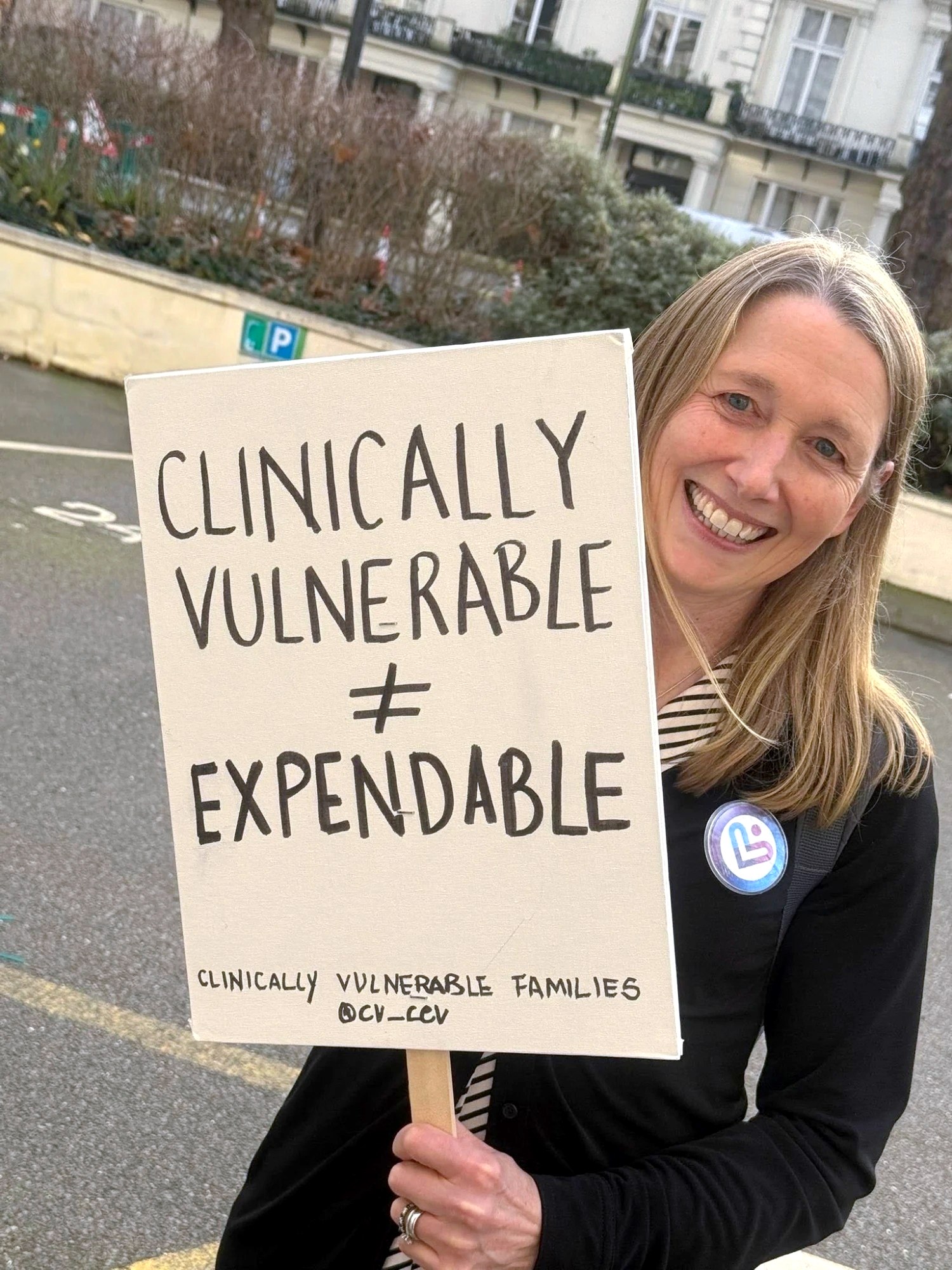
Since 2020, the experiences of Clinically Vulnerable people and their families have been turned into evidence, raised with decision-makers and used to push for change. Here are some of the milestones along the way.
Building the evidence, 2020–2025
August 2020
Founding

CVF is founded
Clinically Vulnerable Families is founded before children return to school. A peer-support community grows for families balancing shielding with everyday life.
2022
The Inquiry
 (opens full size in a new tab)
Bringing lived experience to the Inquiry
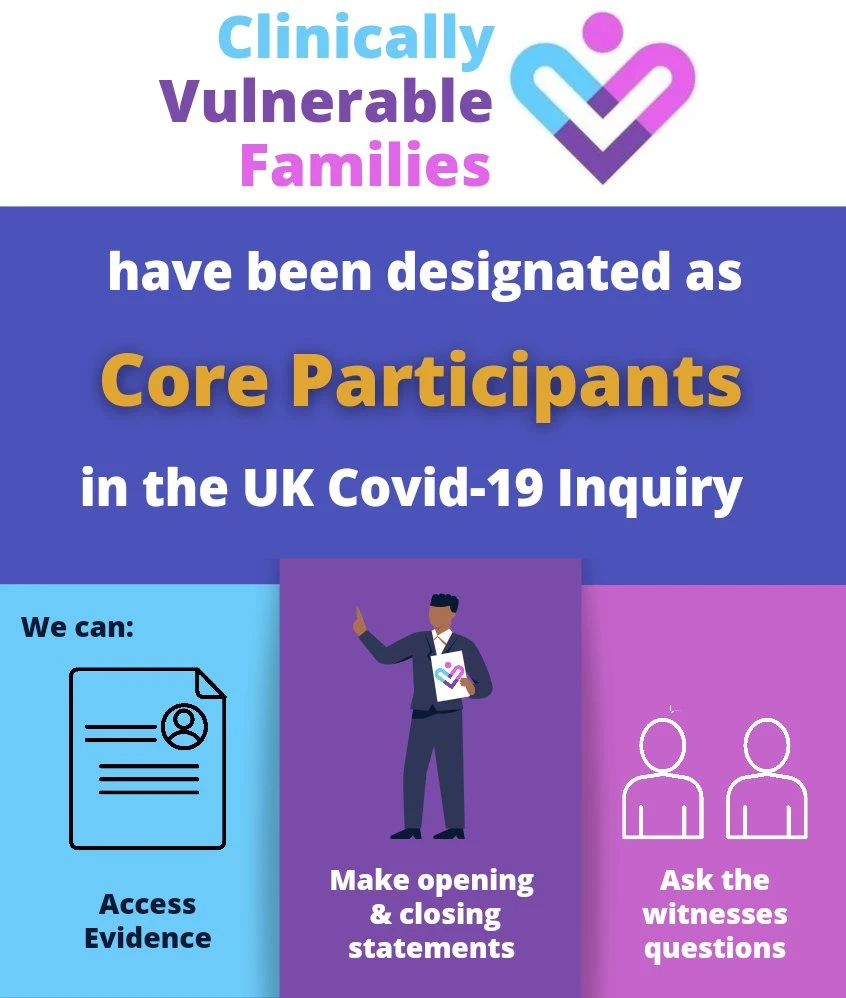
After two unsuccessful applications, CVF wins Core Participant status in the UK Covid-19 Inquiry, giving Clinically Vulnerable people a formal voice. CVF also contributes to Independent SAGE briefings on creating safer public spaces.
2022–26
Treatments
 (opens full size in a new tab)
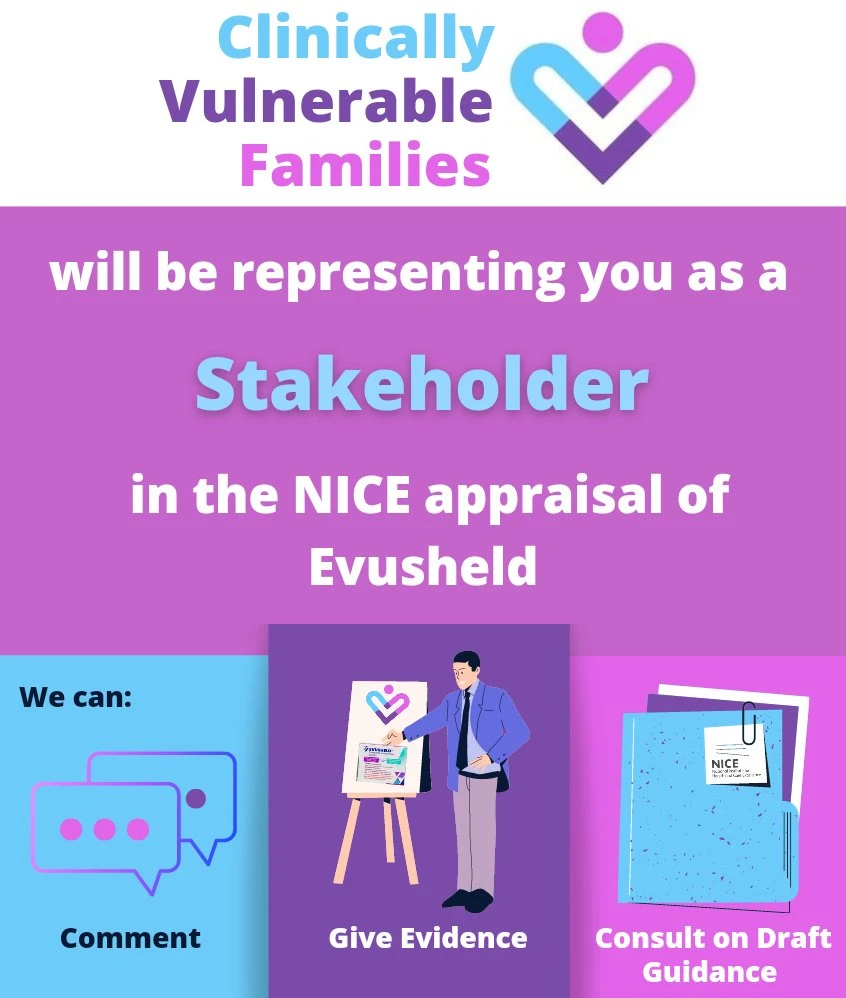
A voice at NICE
We have been a NICE stakeholder since its first evaluation of Evusheld, and have contributed many times since, most recently to its review of antivirals. Expert colleagues have helped to supercharge our responses to the Inquiry, NICE and beyond.
2023
Voting accessibility
 (opens full size in a new tab)
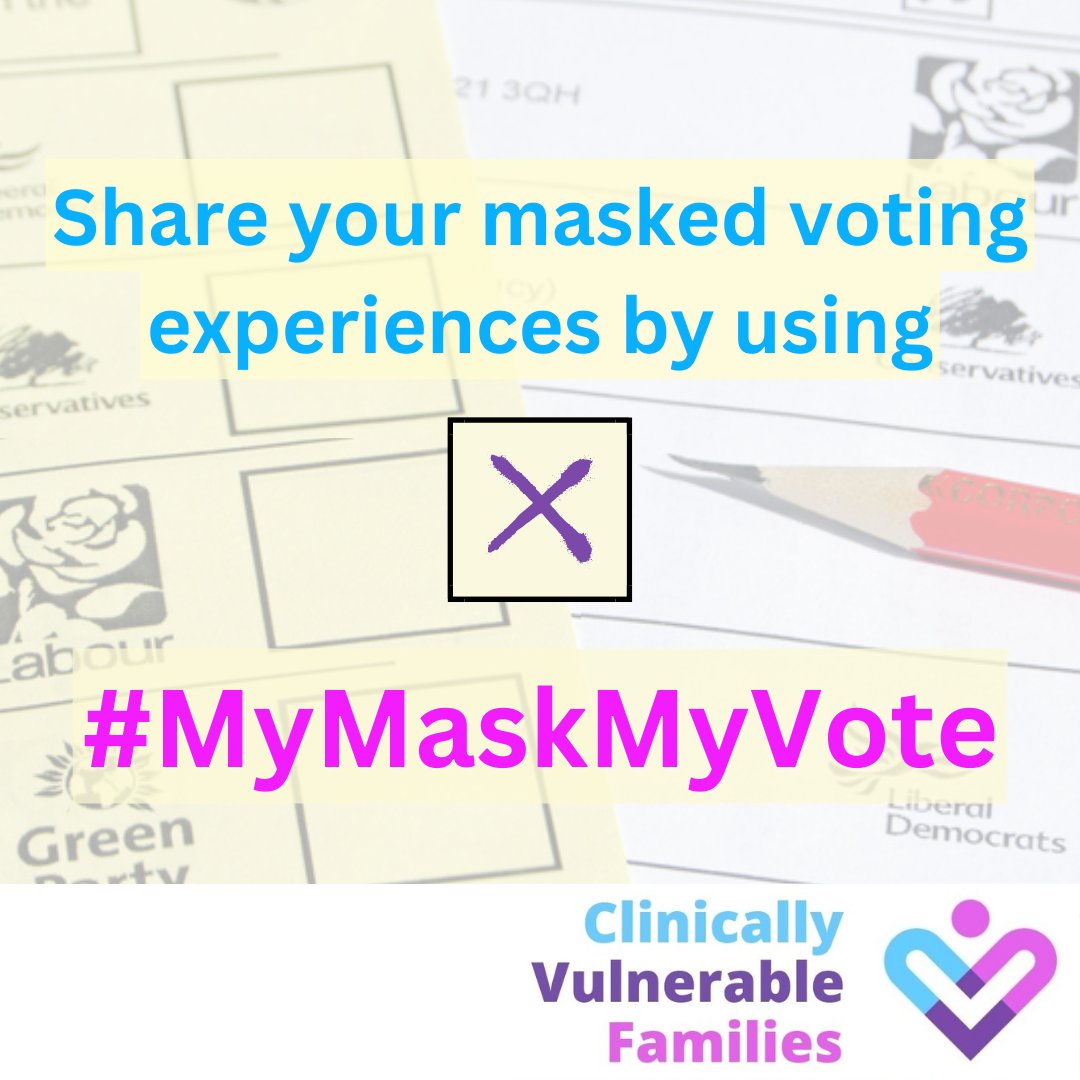
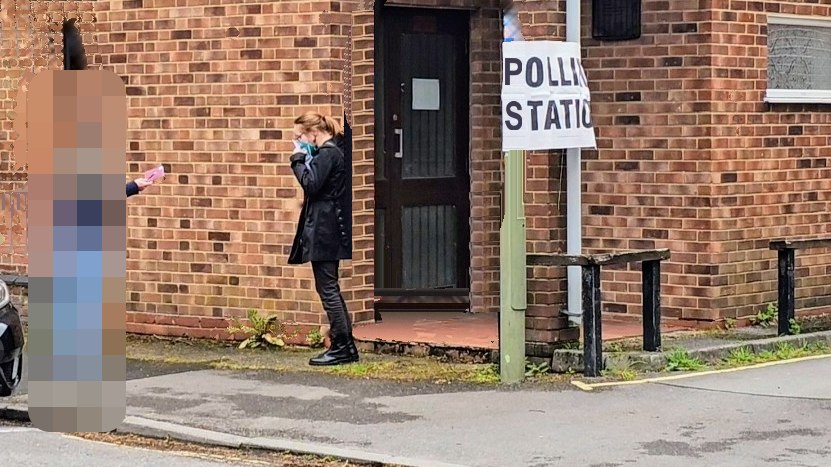
#MyMaskMyVote
After voter ID is introduced, CVF begins engaging with the Electoral Commission, raising concerns about access to polling stations.
2023
The Inquiry
Making the air visible
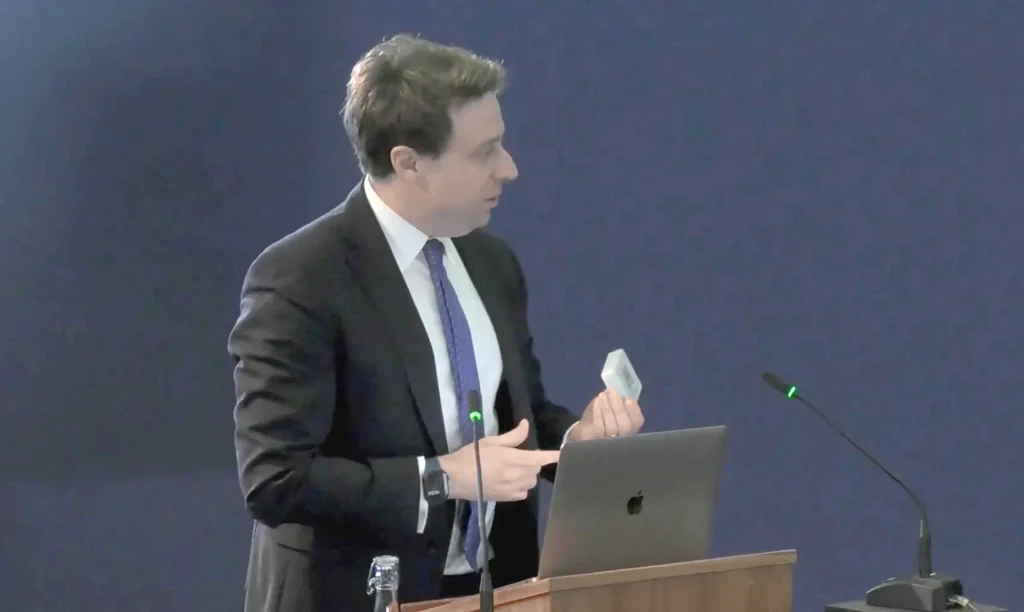
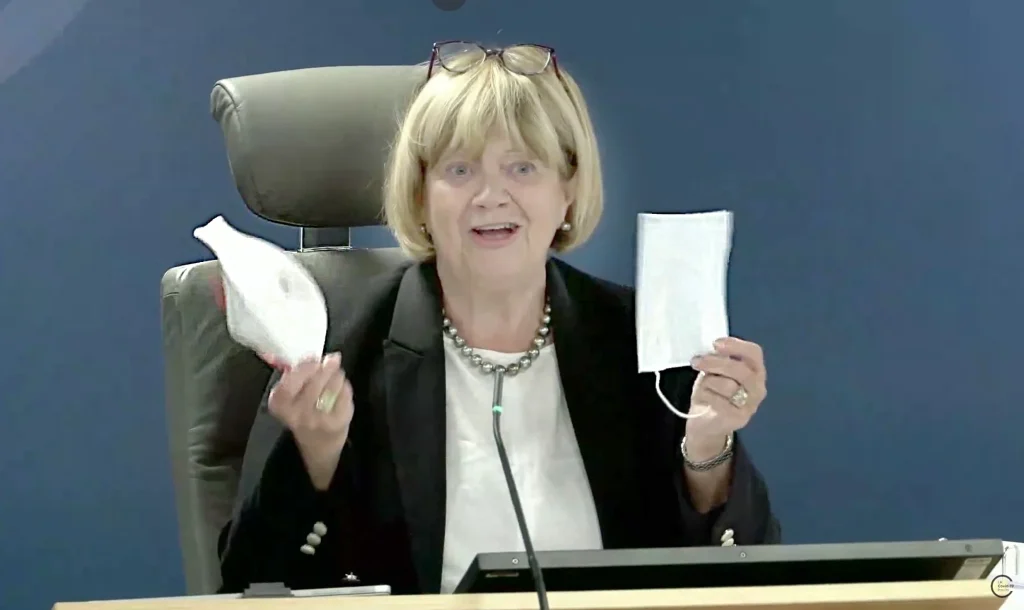
At our first Inquiry hearing, our barrister Adam Wagner KC held up a CO₂ monitor to show the Chair, Baroness Hallett, the air quality in the room in real time. Even before we gave evidence, the Inquiry put changes in place: it updated its Covid policy, introduced CO₂ monitors, aired the room between sessions, bought air filters to top up the mechanical ventilation when we calculated the shortfall, and offered free FFP2 masks to everyone at the door.
2024
Research & evidence
 (open the report)
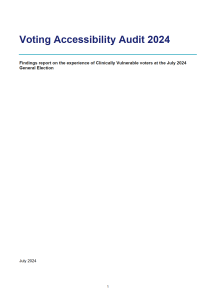
Evidence to the Electoral Commission and the Inquiry
Our first Voting Accessibility Audit is shared with the Electoral Commission, and CVF’s legal team calls at the Inquiry for masks, clean air and ventilation in healthcare.
2024–26
The Inquiry
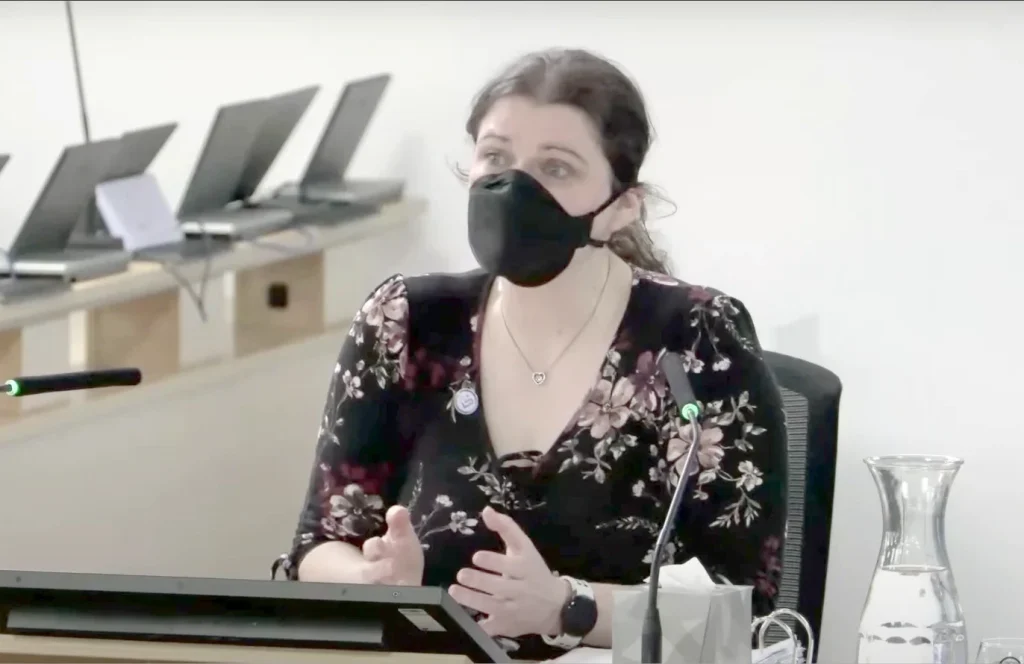
Giving evidence, masked
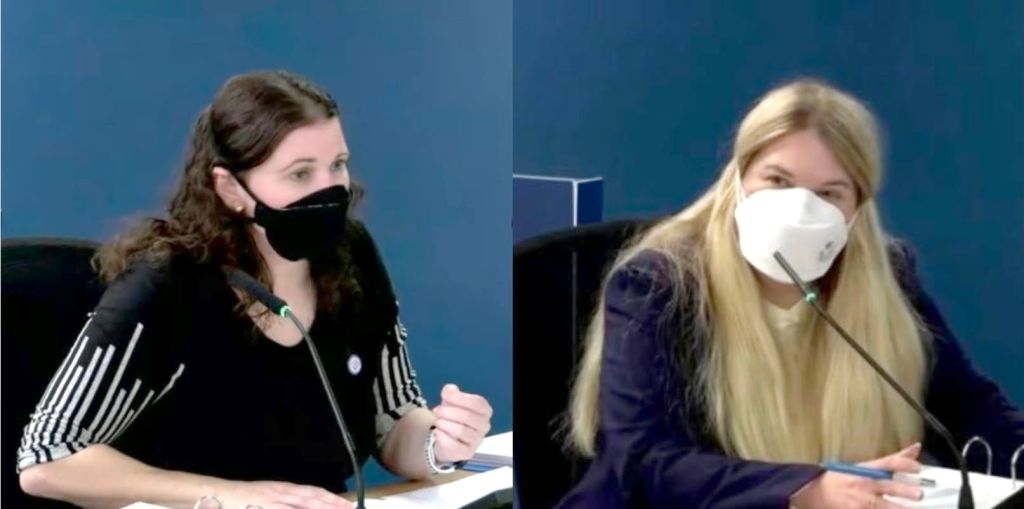
Dr Cathy Finnis, then Lara, give evidence for CVF. When Cathy gave evidence in October 2024 she became, as far as we know, the first witness to give formal evidence to a UK public inquiry, and perhaps to any UK legal proceeding, while wearing a mask. It set a precedent that it can be done without affecting communication: they were both complimented on being among the clearest speakers to give evidence.
March 2025
Clean air
Indoor air on the accessibility agenda
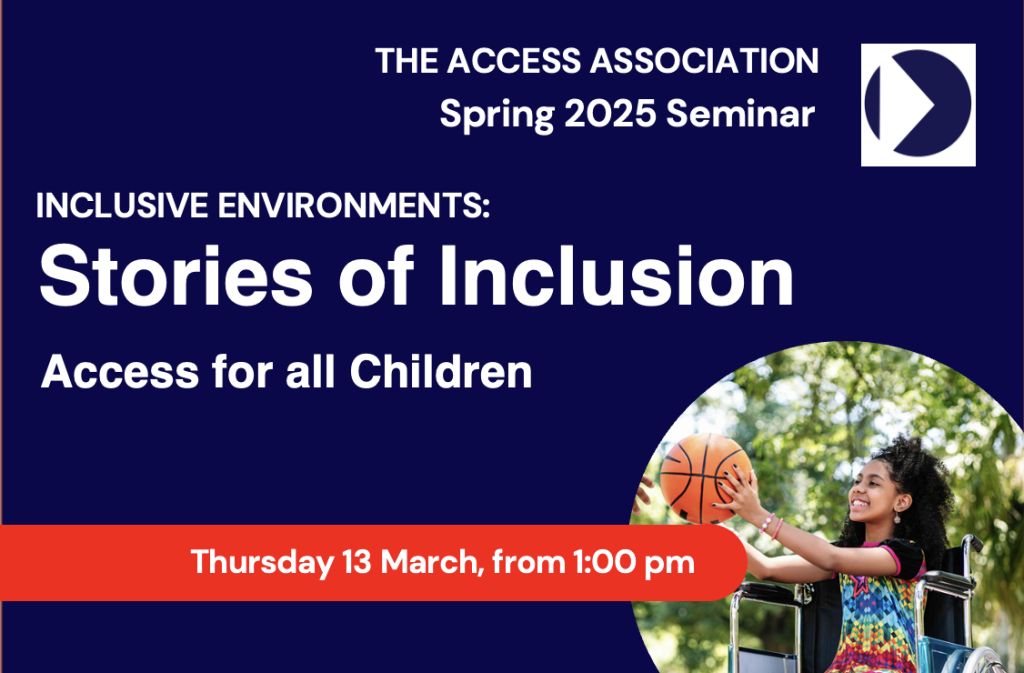
Lara speaks at the Access Association’s Spring 2025 seminar, “Stories of Inclusion: Access for all Children”, making the case for clean indoor air as part of access for all.
October 2025
Research & evidence
 (open the report)
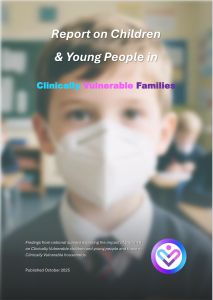
Report on Children & Young People
Our report on the impact on children and young people is published alongside Lara’s oral evidence to the Inquiry’s module on children and young people (Module 8), drawing on real accounts from families across the UK.
2026: from evidence to change
February 2026
Research & evidence
 (open the report)
Impact on Society report
Published alongside Lara’s oral evidence to Module 10 (impact on society), the report sets out the ongoing cost of exclusion for Clinically Vulnerable households.
March 2026
The Inquiry
Clean air in healthcare: an Inquiry recommendation
What we did
Asked the Inquiry, in our healthcare evidence, for better indoor air in healthcare: mechanical ventilation, HEPA filtration and CO₂ monitoring, and guidance that reflects how the virus actually spreads.
What changed
The Inquiry’s healthcare report finds infection-control guidance was “wedded to an outdated and scientifically inaccurate understanding” of how the virus spread. It recommends that guidance reflect all plausible routes of transmission, and that HEPA filtration and ventilation be prioritised in healthcare.
March 2026
The Inquiry
The right to wear a mask in healthcare
What we did
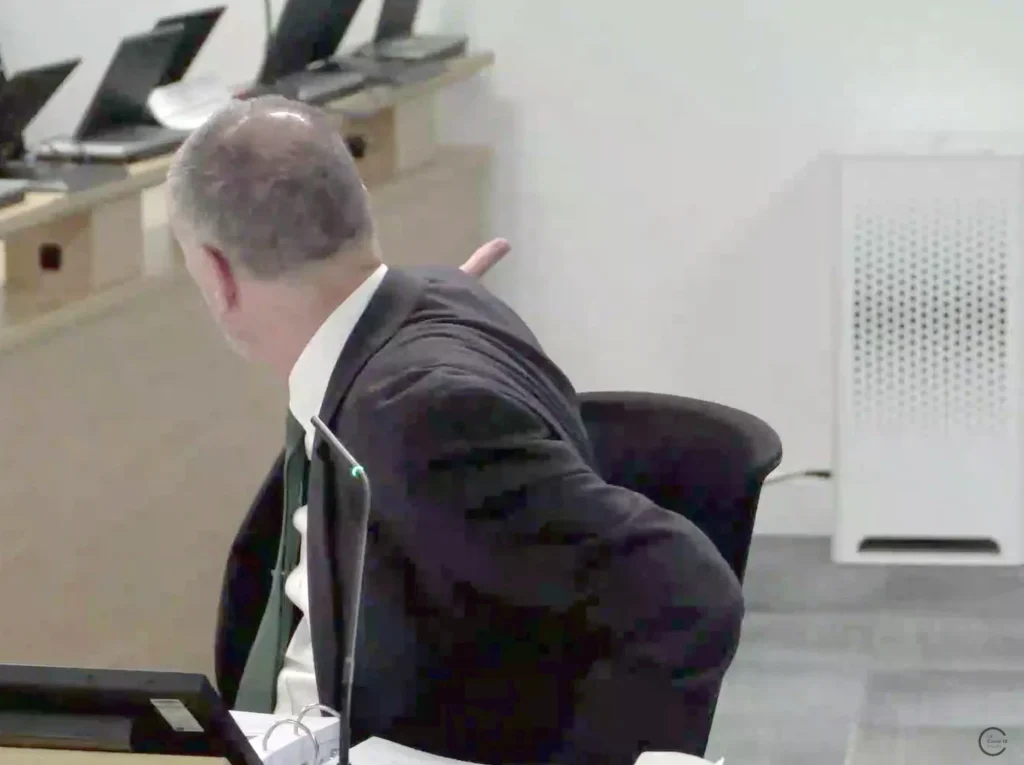
At the Module 3 healthcare hearing on the afternoon of 18th September 2024, CVF questioned the infection prevention and control experts on whether there was any reason to stop patients wearing their own high-grade masks, as many of our members had been asked to do at hospital entrances.
What changed
The experts agreed there was no reason to stop them. In her healthcare report, the Chair quotes the Inquiry’s expert Dr Ben Warne with approval: there was “no good reason to prevent patients from wearing face masks”. Members told to swap their FFP3 for a surgical mask have been vindicated.
April 2026
The Inquiry
Protecting immunocompromised people: Evusheld and antivirals
What we did
Gave oral evidence on vaccines and therapeutics (Module 4) in January 2025, masked, on the lack of preventive drugs such as Evusheld and the struggle to get antivirals, backed by a 122-page written statement with 138 exhibits.
What changed
The report quotes our evidence and accepts “without reservation” that protecting the immunocompromised, including through preventive drugs, must be a priority in the next pandemic. It recommends that messaging on who can get antivirals be “clear and easily understandable”, and finds the vaccine rollout to children was “too slow, too limited, and too short”.
Evusheld and protecting immunocompromised people
Antivirals: what the report recommends
May 2026
Voting accessibility
Electoral Commission guidance changes
What we did
Gathered voters’ experiences through #MyMaskMyVote and our 2024 Voting Accessibility Audit, raised concerns directly with the Electoral Commission, shared our work on airborne mitigations as reasonable adjustments, took part in its accessibility consultation, and used the Public Sector Equality Duty to show how easily polling stations could make these adjustments.
What changed
Landmark changes: for the first time, the Electoral Commission’s guidance for Returning Officers explicitly recognises Clinically Vulnerable voters. “See a mask, wear a mask”: staff wear a mask when assisting a masked voter. ID checks can be offered outside for voters who wear a mask. And polling stations should improve ventilation by opening doors and windows, with air filters where possible.
Read the Electoral Commission guidance
How we changed the guidance
June 2026
Voting accessibility
 (open the report)
Checking it works
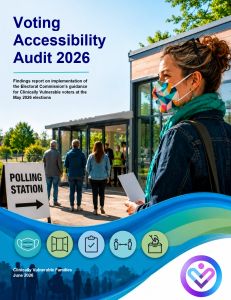
We didn’t stop there. With your help, our 2026 Voting Accessibility Audit checked whether polling stations are following the new guidance, and found that around a third of respondents returned to voting in person for the first time since voter ID was introduced.
July 2026
Schools
Clean air recognised in schools
What we did
Worked with the Department for Education, alongside other organisations including Safe Air Schools, to help rewrite its guidance, sharing families’ evidence on clean air in classrooms.
What changed
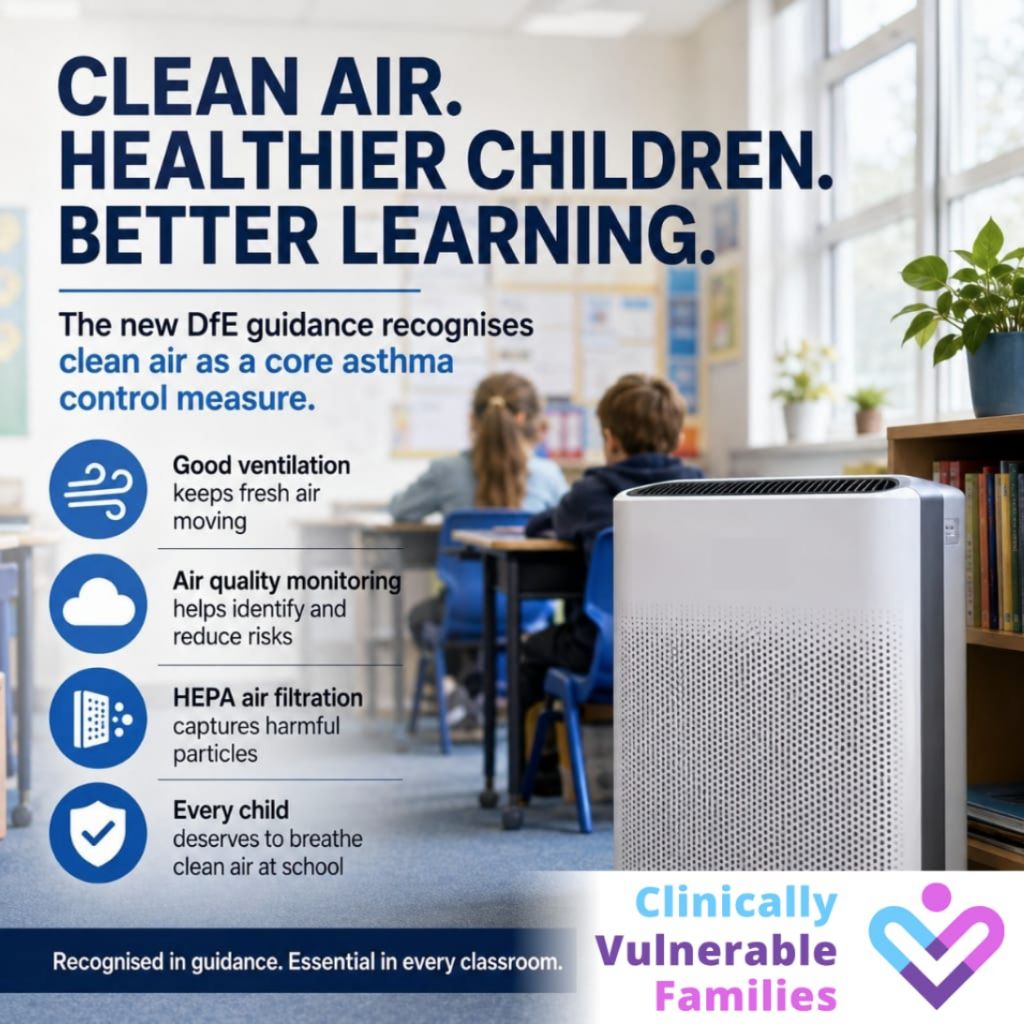
New statutory guidance on allergy safety in schools states that “clean air is a core asthma control measure”, with ventilation, air quality monitoring and HEPA filtration essential. Guidance covering pupils’ health conditions is due to follow.
July 2026
Schools
An end to attendance awards that shut out sick children
What we did
Showed the Department for Education, and the Covid Inquiry, how 100% attendance certificates, prize draws and awards penalise children whose health conditions mean they can never have perfect attendance.
What changed
The Department for Education has stepped back from 100% attendance rewards that leave these children out. Its new statutory guidance says excluding children from attendance rewards because of a medical condition or allergy is unacceptable, and expects schools’ policies not to disadvantage pupils because of their health.
The attendance fight
Tell us how attendance expectations affect your child
Our schools work

Health inequalities
Joining the Health Equals coalition
We have joined Health Equals, the UK’s coalition of more than 130 organisations tackling health inequalities, as a supporter, so that Clinically Vulnerable people are part of the conversation.
2026
Right to protest
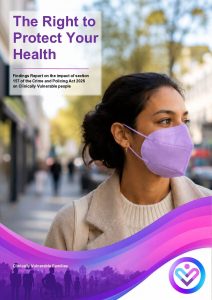
Masks and the right to protest
New powers make wearing a mask in a designated protest area an arrestable offence. We gathered evidence on what this means for Clinically Vulnerable people, and shared a summary of our findings with Parliament’s Joint Committee on Human Rights. Our full report will follow.
September 2026
Clean air
 (opens full size in a new tab)
Chairing a new committee on indoor air
Lara now chairs the Access Association’s first committee on indoor air quality, looking at clean indoor air as an accessibility issue for the first time.
September 2026
Treatments
Speaking up to keep Covid antivirals
NICE proposed withdrawing its guidance on Covid-19 treatments, including the antivirals nirmatrelvir plus ritonavir (Paxlovid), molnupiravir and remdesivir. As a registered stakeholder, we responded to its consultation and argued against the withdrawal, so that people at highest risk can still get the treatment they need.
From experience to change
Again and again, change has started with someone telling us what happened to them.
We turn those experiences into evidence, take them to the people and organisations who can act on them, and keep pushing until things change.
Have an experience you’d like to share?