
Clean air regulations shouldn’t stop at the door. Clean-air action has always looked outward, at traffic and the street. But most of us spend up to 90% of our lives indoors — and especially for Clinically Vulnerable people, those are the hours that carry the most risk: classrooms, clinics, workplaces and waiting rooms, where the air, and everything in it, is shared.
Indoor air can pose a health risk
Poor indoor air can increase exposure to airborne infections, allergens and harmful pollution. For Clinically Vulnerable families, cleaner indoor air means greater safety, inclusion and freedom to take part in everyday life. Just as we expect clean drinking water in every public building, we should expect clean indoor air. Both are essential to health, safety and equal access.
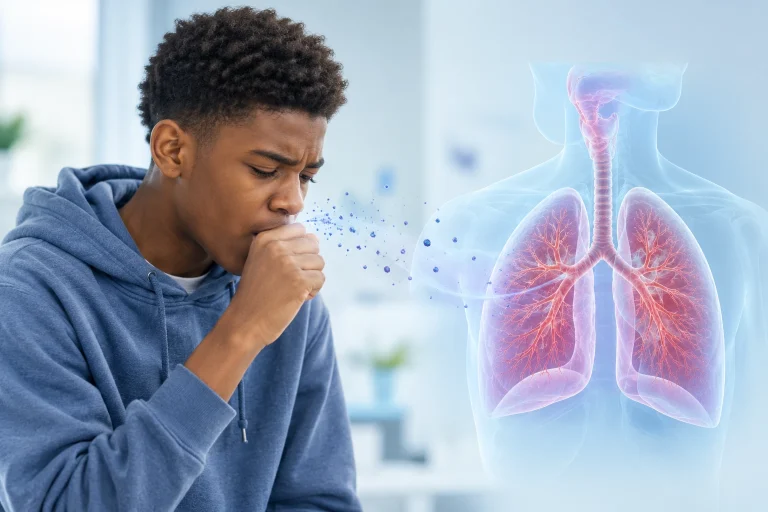
Risks to children
Children need more oxygen than adults, yet their lungs are smaller and still developing. So the same air in a room can expose a child to far more risk, from infections and pollutants, than an adult.
Airborne pathogens
Respiratory viruses can remain longer in stuffy, poorly ventilated rooms. Fresh air and filtration are among the few measures that actually reduce that risk – surface cleaning does not.
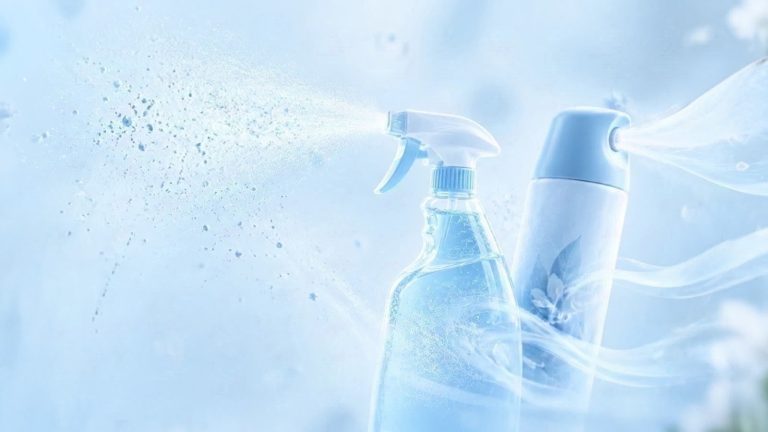
It is not just pathogens
Indoor air can also carry fine particles (PM2.5), nitrogen dioxide from cooking and heating, and volatile compounds from cleaning sprays and air fresheners – all of which can trigger asthma and inflammation.
What good air looks like
Clean air can be measured – so it should be guaranteed.
We already set standards for drinking water, food safety and sanitation. The air we share indoors should meet clear health-based standards too. These are practical, evidence-based targets that help reduce exposure to airborne infections and harmful pollution in schools, healthcare settings and public buildings.
-
<800ppm CO₂
Rebreathed air
Lower CO₂ means less rebreathed air and a lower risk of airborne infection.
-
≥21L/s per person
Fresh or clean air
Fresh and filtered air dilute and remove airborne viruses and indoor pollutants.
-
≤15µg/m³ PM2.5 (24h)
Fine particles
Fine particles can reach deep into the lungs and enter the bloodstream.
-
0ozone / fogging
Avoid completely
Ozone-generating “air cleaners” and chemical “foggers” don’t clean the air – they add pollutants to it. Choose ventilation and properly sized HEPA filters instead.
Sources: SAGE-EMG (CO₂), Lancet COVID-19 Commission (clean air per person), BS ISO 17772-1 (ventilation), WHO Air Quality Guidelines 2021 (PM2.5).
What CVF is calling for
Clean indoor air must be written into law
Clear indoor air standards
Legally enforceable indoor air-quality standards for schools, healthcare settings and public buildings — not voluntary guidance.
Investment in clean air
Long-term funding for ventilation, filtration and maintenance, recognising clean indoor air as essential public infrastructure.
Monitoring that leads to action
Routine CO₂ monitoring, with clear thresholds and practical steps to improve air quality when standards are not met.
Clean air reduces the spread of airborne infections, and exposure to allergens and pollution, whilst helping to create safer, more accessible indoor spaces for everyone. For Clinically Vulnerable people and their families, it can mean being able to attend school, work and healthcare appointments with increased protection of their health.
Ventilation was recognised as an important factor early in the pandemic, but it was not sufficiently funded or prioritised. Clean indoor air must now be implemented as an essential public health and accessibility measure. — Clinically Vulnerable Families
Use your voice
Cleaner air is possible — indoors as well as outdoors
Ask your school, workplace or local services what they are doing to improve indoor air quality. Speak to your councillor or MP and support policies that make clean, breathable indoor and outdoor spaces available to everyone. #CleanAirDay