They missed school to protect their families. Now they’re missing from the government’s plans
Children lost years of education trying to protect family members from serious illness. Some missed their GCSEs; others lost the careers they were working towards. Now the government has announced plans to help young people left behind – but these children are missing again.
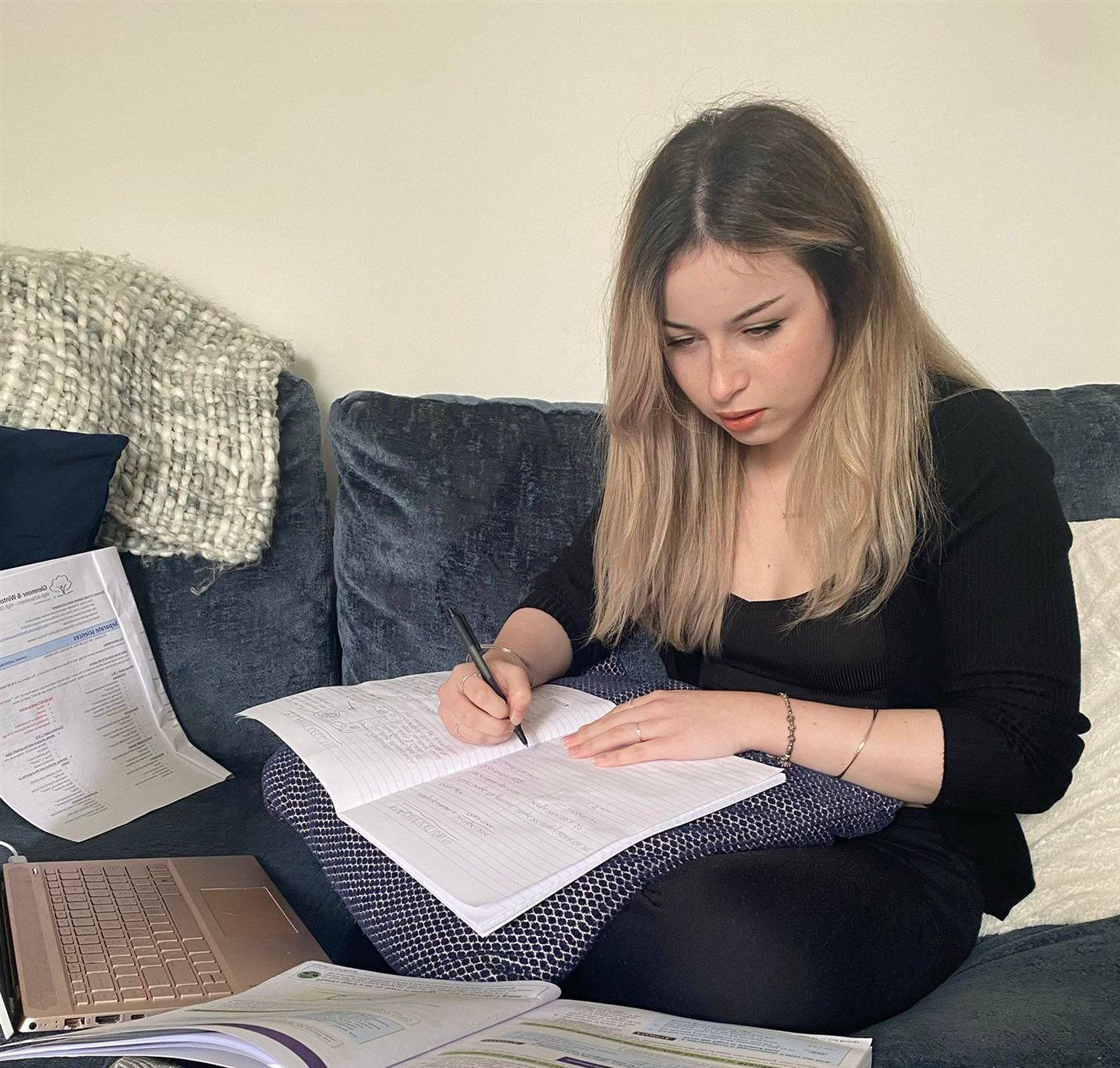
Lana was 14, and about to start her GCSE courses. Her mother takes immunosuppressants for a lung condition, and the family was worried that an infection brought home from school could put her life at risk.
They asked for online learning. The school refused, threatened her mother with fines and prosecution, and suggested taking Lana off the school roll. Lana spent almost two years teaching herself her GCSEs, and did exceptionally well in English. But she missed the maths grade she needed by a few marks, and with it her hopes of studying science. She went to college to study art and design instead, and resat and passed maths there a year later. As she told the Guardian, it “completely changed the trajectory of my life.”
Lana wasn’t alone. Children in Clinically Vulnerable families across the UK lost months or years of education while protecting themselves or someone they loved. Many missed the exams that would decide their next steps in life.
These children weren’t refusing an education. They were asking for a way to learn without putting their families’ lives at risk.
Every child has a right to an education. Theirs was denied, because school was not made safe enough for them to attend.
Who has Milburn’s review missed?
On 17th November, Alan Milburn published his independent review for the Department for Work and Pensions, From a Welfare State to a Working State. It finds that nearly one million young people – one in eight – are not in education, employment or training (NEET).
Milburn’s review makes serious proposals, and on the same day the government backed its core principles, announcing new local youth services, an Opportunity and Support Guarantee and a Youth Opportunities Unit, with a full response to follow next year. The Prime Minister called young people out of work and learning “a let-down generation”.
But it overlooks a group whose schooling was disrupted during the pandemic, and whose needs government still doesn’t record. Across all 278 pages, the words “clinically” and “shielding” do not appear once. There is nothing on young people who were at high clinical risk, or who lived with someone who was.
School absence was a warning sign. But why were children absent?
Milburn’s review treats persistent absence as an early warning sign. It cites a Bradford study that found persistently absent pupils were almost four times more likely to become NEET between 16 and 18, and notes that absence rates “rocketed since the pandemic”.
For many children in Clinically Vulnerable families, the reason was clinical risk. From September 2020, before vaccines were available, attendance in England was compulsory for every child, including those at high clinical risk and those living with someone who was. Remote learning was withdrawn. Families trying to protect someone faced pressure to send their children back, sometimes under threat of fines, prosecution or safeguarding referrals.
Our Report on Children and Young People, which we gave in evidence to the UK Covid-19 Inquiry, shows the consequences. In our survey of 350 Clinically Vulnerable households across the UK, during the 2021–22 school year:
School absence, 2021–22
Share of pupils missing 10% or more of school (persistent) and 50% or more (severe)
Pushed out, and left without exams
Clinically Vulnerable families who told us…
These are the families who answered our survey, not a representative sample. But they show the scale of disruption for a group that national statistics have never identified.
Counted as “ghost children”, never as children keeping their families safe
At the time, official figures did show children disappearing from school. Around 100,000 children in England missed at least half of their school sessions in autumn 2020, compared with around 60,000 before the pandemic, and 120,000 were severely absent across 2021–22. The Centre for Social Justice called them “ghost children”. Home education rose by 34% in 2020–21, and health concerns relating to Covid-19 were the most common reason councils recorded.
Not all of these children were from Clinically Vulnerable families, and nobody asked how many were. The figures recorded that children were missing, but never why. Many of those called “ghost children” were protecting themselves or someone they loved. But without the right information, government couldn’t tell them apart from children who had disengaged, or offer them the support they needed.
Many of them are now 16 to 24: exactly the generation Milburn is concerned about.
Government has already heard this evidence
The government has been told. Clinically Vulnerable Families was a Core Participant in Module 8 of the UK Covid-19 Inquiry, on children and young people. During the hearings in autumn 2025, experts, school leaders, officials and former ministers accepted that our children’s needs were real, and several accepted that they had been overlooked.
- Baroness Anne Longfield, former Children’s Commissioner for England, said her office “hadn’t focused on those families”, and that their experience “needs to be put to government”.
- Professor Gillean McCluskey, the Inquiry’s expert on school attendance, found that “only England” took a punitive approach of penalties and fines, and saw “really good grounds” for clinical vulnerability to be explicitly mentioned in attendance policy.
- Boris Johnson, questioned by our barrister Adam Wagner KC, acknowledged the argument that vulnerable parents could be exposed to the virus picked up by children at school: “that was the argument for closing schools, sure.”
- Professor Russell Viner, a member of SAGE during the pandemic, was asked whether Clinically Vulnerable children had legitimate concerns about returning to school: “If those children were truly clinically vulnerable, absolutely.” And Mark Drakeford, former First Minister of Wales, said the Welsh Government would be “very sympathetic” to collecting data on them.
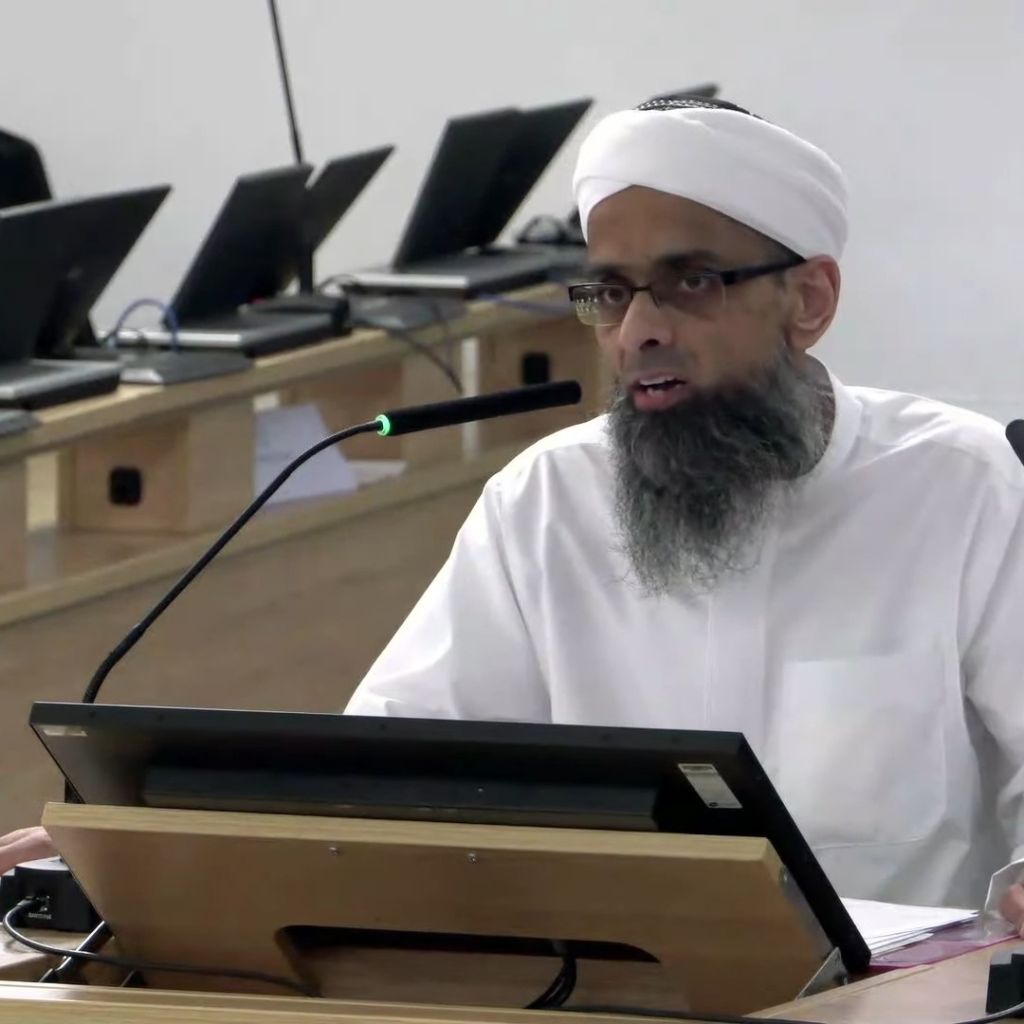
Sir Hamid Patel, chief executive of Star Academies, showed there was another way. Where families with a Clinically Vulnerable member weren’t reassured, “we offered them online lessons”. He called for “a national ventilation standard for schools” and “a national entitlement for remote teaching”.
And when our barrister Hayley Douglas asked Susan Acland-Hood, Permanent Secretary at the Department for Education, whether the Department should collect attendance data on children who were Clinically Vulnerable or lived with someone who was, she said it was “definitely something we could take away and think about”.
All of this is on the public record of a statutory inquiry. Yet more than a year later, the data still isn’t collected, and no catch-up has been offered to these young people. The Inquiry’s report on children and young people is expected in 2027. Our young people cannot afford to wait.
What government needs to do now
Milburn’s proposals, and the government’s response, could help young people from Clinically Vulnerable families, but only if their needs are recognised from the start. As the government prepares its full response, we are asking for three changes.
1. Count them. Milburn recommends a new youth participation data system to spot young people at risk. That system, and the new registers of children not in school, should record when a child’s education is affected by their own clinical vulnerability or that of someone in their household. A definition already exists in the clinical risk groups of the UK Health Security Agency’s Green Book, and the Department for Education already collects self-reported data on young carers. Any new data must protect families’ privacy, and be used to offer support.
2. Support, not punishment, for health-related absence. Milburn recommends that persistent absence should trigger a “participation response alongside legitimate enforcement”. For children at high clinical risk, or living with someone who is, that response must mean remote learning where needed, cleaner indoor air and flexibility. No family should face fines or prosecution for protecting someone’s life.
3. A real second chance. A job isn’t the same as a fair chance, and young people only get one real shot at their GCSEs. The new local youth services and the Opportunity and Support Guarantee should offer catch-up to young people whose schooling and exams were disrupted by clinical vulnerability during the pandemic, including the chance to sit GCSEs at the level they were working towards. It should also reach those who are in work, but whose options were narrowed.
Where are our young people now?
We have shared our evidence with MPs. Now we want to find out what happened next. We are planning a short survey of young people aged 16 to 24 from Clinically Vulnerable families, about their education, qualifications, work and plans. We will use the Milburn review as our guide, so their experiences can sit alongside the national figures.
If you have a young person aged 16 to 24 in a Clinically Vulnerable family, sign up to our newsletter to hear when the survey opens.
These children were not absent because they lacked ambition. They were protecting themselves, or someone they loved. We can’t give them back the school years they lost. But we can count them, listen to them, and give them a fair chance at the futures they were working towards.